Built on Breakthroughs: 250 Years of American Medical Innovation
What does it really take to turn suffering into healing? From the first painless surgery to gene-editing and regenerative medicine, American ingenuity has continually pushed the limits of what's possible.
This is a story of curiosity and grit. As the United States marks its 250th anniversary this 4th of July, it's worth looking back at the medical history that shaped how we treat pain, disease, and injury today.
Let's walk through six eras of American medical innovation—and see how that legacy still drives healing today.
Six chapters. One continuous pursuit of healing.
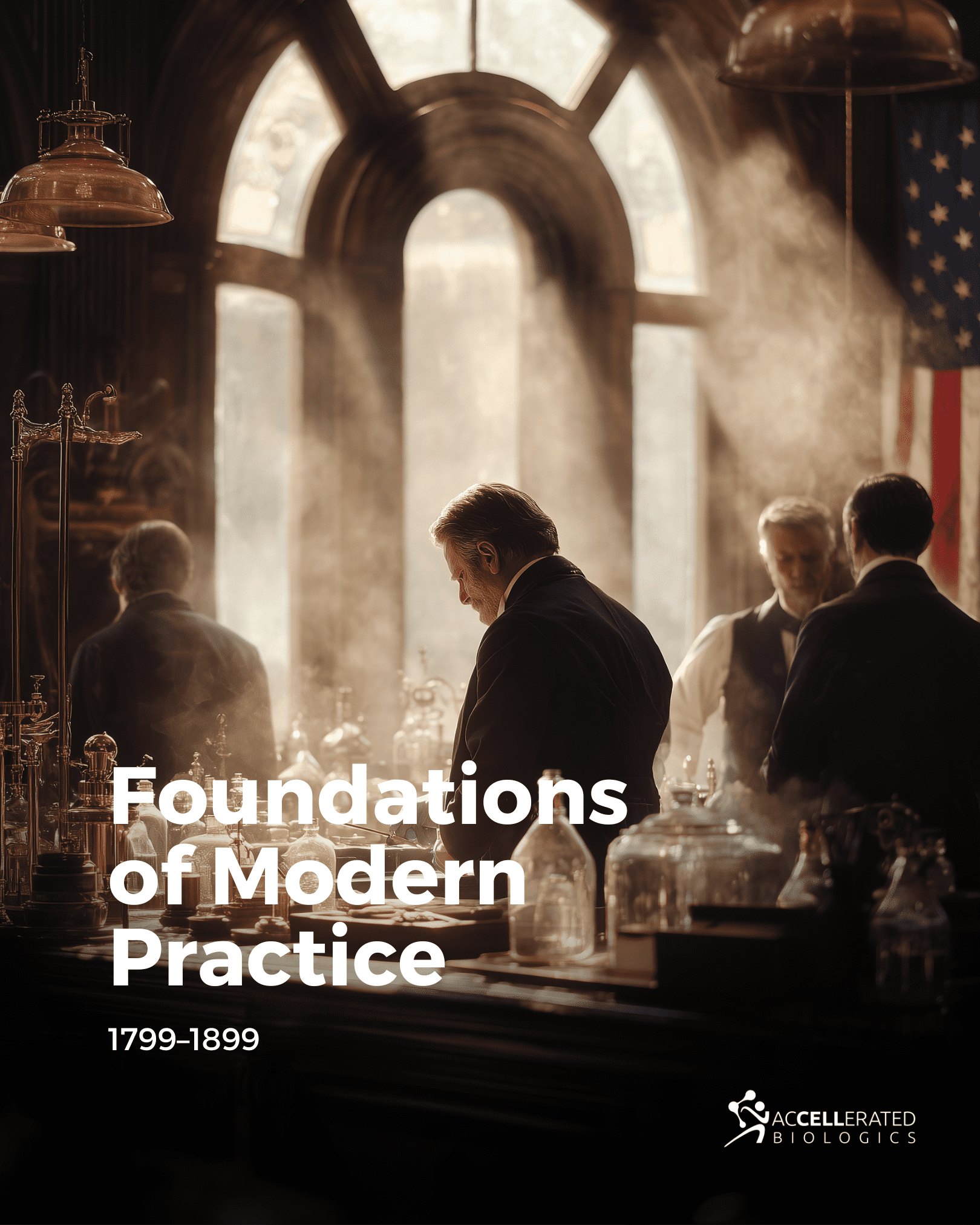
The Foundations of Modern Practice
In the nation's earliest decades, medicine faced two relentless enemies: pain and infection. The breakthroughs of this era proved that disease wasn't simply something to endure—it could be understood, prevented, and treated.
-
1799
Smallpox vaccination Benjamin Waterhouse introduced Edward Jenner's smallpox vaccine to American soil, helping build public acceptance and pave the way toward global eradication.
-
1843
Puerperal fever prevention Oliver Wendell Holmes identified contagion as the cause of childbed fever and championed hygiene, making handwashing a life-saving practice.
-
1846
Ether anesthesia William T.G. Morton publicly demonstrated ether anesthesia at Massachusetts General Hospital alongside surgeon John Collins Warren—making surgery painless for the first time in history.
Antibiotics, Vaccines, and Transplants
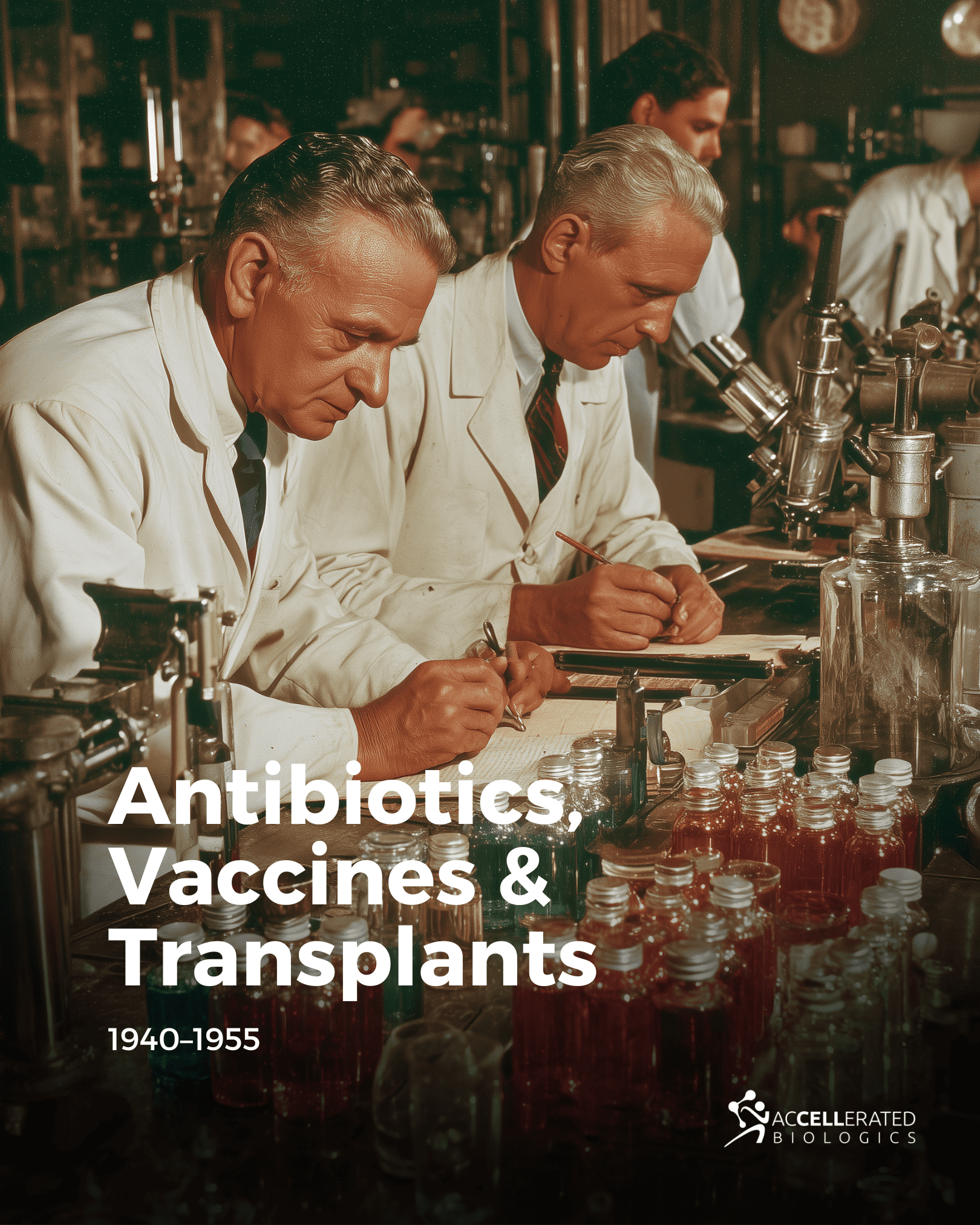
Imagine a world where a simple infection could be deadly—then watch that world change almost overnight. This was the era that turned once-fatal diagnoses into treatable conditions.
-
1940s
Mass-produced penicillin Though Alexander Fleming discovered penicillin in the UK, American companies and government efforts scaled production during World War II, saving millions of lives and opening the antibiotic era.
-
1954
First successful kidney transplant Joseph Murray performed the first successful human kidney transplant in Boston, launching the field of organ transplantation and later earning a Nobel Prize.
-
1955
The Salk polio vaccine Jonas Salk's inactivated polio vaccine emerged from the largest clinical trial in history at the time, nearly erasing a disease that had paralyzed a generation of children.
Biotech, Imaging, and Molecular Medicine
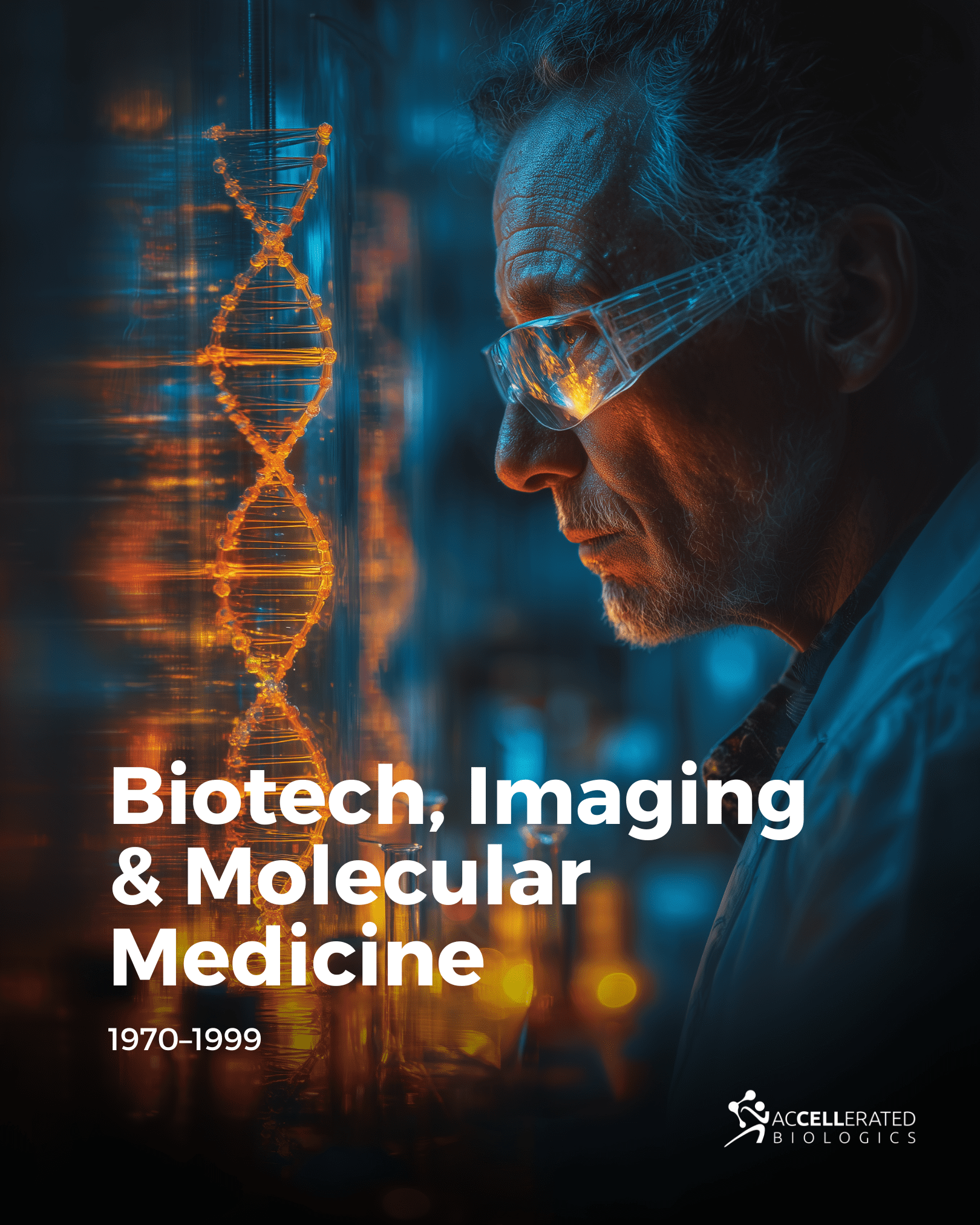
What if you could engineer medicine from the building blocks of life? Medicine went microscopic, working at the level of cells, molecules, and DNA itself.
-
1970s
Recombinant DNA technology Herbert Boyer and Stanley Cohen pioneered genetic engineering, founding the modern biotech industry and making it possible to produce insulin and monoclonal antibodies—giving rise to companies like Genentech.
-
1980s
MRI and advanced imaging Magnetic resonance imaging gave clinicians a non-invasive window into the living body, letting doctors see inside a patient without a single incision.
-
1990s
Antiretroviral therapy for HIV/AIDS US-led research produced treatments that transformed HIV from a death sentence into a manageable, chronic condition.
Precision Medicine and Pandemics
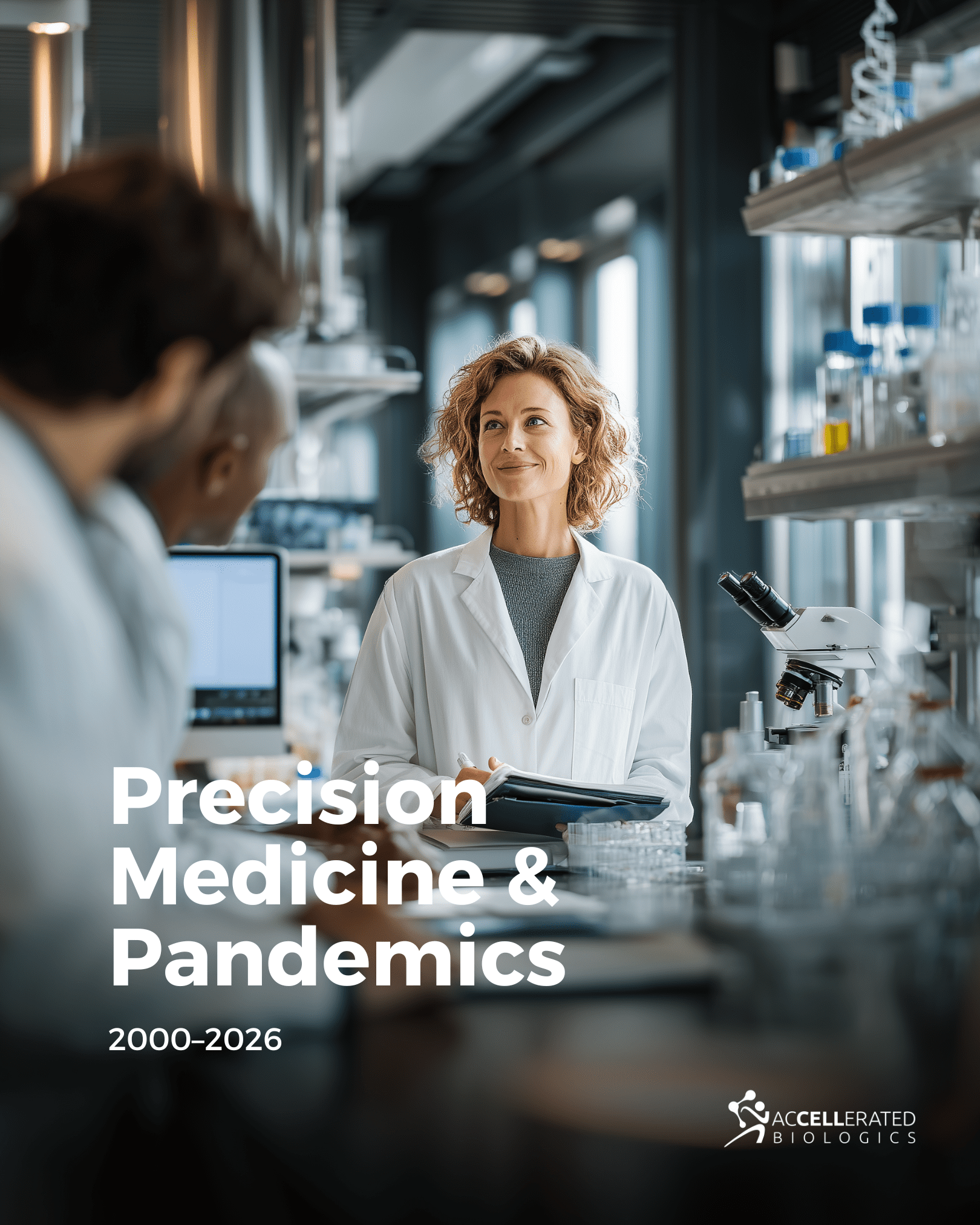
When a global pandemic struck, decades of quiet research suddenly took center stage. How did science respond so fast? The answer lies in groundwork laid years before.
-
2000s
mRNA vaccine technology Built on the foundational research of Katalin Karikó and Drew Weissman, mRNA technology was deployed worldwide within a single year to fight COVID-19.
-
2020
Rapid COVID-19 vaccine deployment Authorized at unprecedented speed, these vaccines helped save tens of millions of lives across the globe.
-
2010s–
CRISPR and CAR-T immunotherapy CRISPR opened the door to editing the genetic code itself, including approved therapies for sickle cell disease, while CAR-T immunotherapy gave the immune system powerful new tools to fight cancer from within.
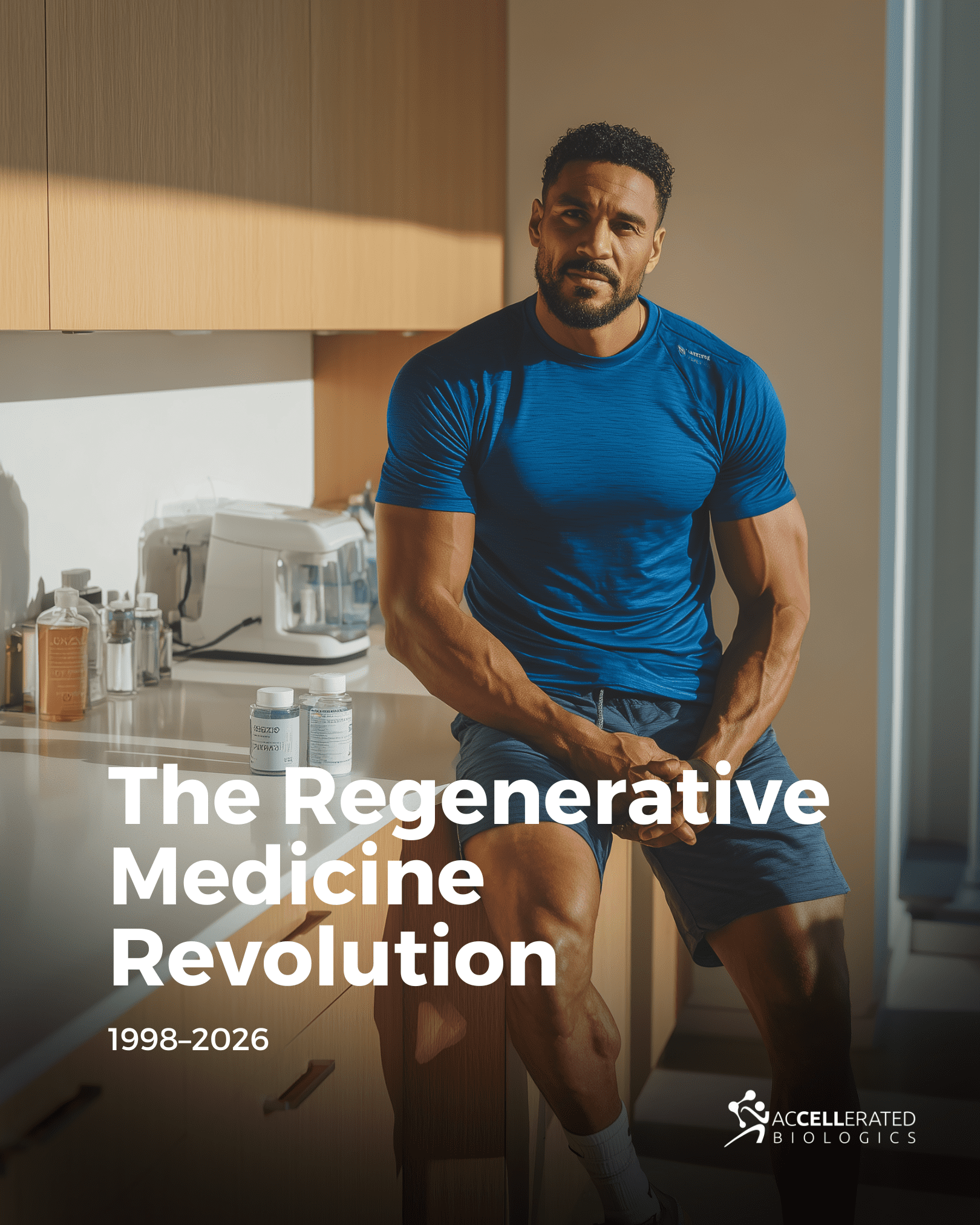
The Regenerative Medicine Revolution
While CRISPR and mRNA captured the headlines, a quieter revolution was reshaping orthopedics and sports medicine: platelet-rich plasma (PRP) therapy—a treatment that uses your own blood, concentrated to isolate platelets packed with healing growth factors, then injected where your body needs repair. No synthetic drugs. No surgery required.
How PRP Became an American Breakthrough
Much of the modern clinical groundwork traces back to Dr. Robert E. Marx, an American oral and maxillofacial surgeon. His 1998 landmark publication formalized PRP as a growth factor–enhanced therapy, showing how concentrated platelets release powerful healing signals—including PDGF and TGF-β—to accelerate bone and soft tissue repair.
From the Operating Room to the Sidelines
What began in dental and maxillofacial surgery quickly expanded. By the 2000s, US sports medicine doctors were using PRP to treat tendon injuries, joint problems, and chronic pain—advancing ultrasound-guided injections for tendinopathy, osteoarthritis, and rotator cuff injuries.
- Hospital for Special Surgery
- Johns Hopkins
- Mass General Brigham
- Stanford
Why Autologous Matters
Marx's emphasis on autologous PRP—using the patient's own blood—was key. It minimized rejection risk and gave clinicians a natural, reproducible source of healing factors. American biotech companies later developed point-of-care centrifugation systems, making in-office PRP preparation fast, practical, and accessible.
AcCELLerated Biologics & RMTI
What ties all these eras together? A simple belief: that healing can always be improved. That same spirit drives the work we do today. Since 1999, we've been leading the way in regenerative medicine—delivering evidence-based solutions that help physicians and patients heal naturally, without relying solely on drugs or surgery.
PRP therapy to harness your body's own growth factors
Bone marrow concentrate solutions
Adipose-derived options
Extracellular vesicle technologies
Every breakthrough built on the one before it.
From the first dose of anesthesia to mRNA vaccines and PRP therapy, American ingenuity has continually pushed the boundaries of what's possible—and every clinician advancing care today is writing the next chapter.
See How We're Shaping the Future of HealingThis 4th of July, we celebrate more than fireworks and freedom—we celebrate the doctors, researchers, and innovators who shaped American medicine and the care we rely on now. To every one of them: thank you.